Деревянный или пластиковый детский домик: какой из них прослужит дольше и почему?
In the world of children’s outdoor play, the debate between wooden and plastic outdoor cubby house options has long persisted. While plastic models may appear cost-effective initially, a growing body of evidence—and expert opinion—points to wooden cubby house structures as the superior long-term investment. But what makes wood truly outlast plastic in real-world conditions?
A well-built wooden cubby house isn’t just a play space—it’s a legacy piece,” says Thomas Green, a sustainable playground designer. “Unlike plastic, which degrades under UV exposure and temperature swings, timber naturally withstands seasonal stress. Treated cedar or pine can gracefully endure a decade or more of active play, often becoming a nostalgic centerpiece in a family garden.”
The advantages are clearest in five key areas:
Structural Integrity & Longevity
Plastic outdoor cubby structures frequently suffer from UV fading, warping in heat, and becoming brittle in cold weather. In contrast, a wooden cubby house uses solid joinery—bolts, screws, and reinforced framing—to remain stable and secure. With proper treatment, wood resists rot, insects, and moisture damage, typically lasting two to three times longer than plastic alternatives.Safety & Stability
The substantial weight of a wooden cubby house prevents tipping during energetic play. Moreover, modern wood finishes are non-toxic and low-VOC, eliminating concerns around chemical leaching sometimes associated with plastics. Sanded and sealed surfaces ensure a splinter-free environment—a detail especially valued by parents.Eco-Conscious Choice
Wood is a renewable resource, particularly when sourced with FSC certification. At the end of its long life, it biodegrades naturally. Plastic playhouses, however, often end up in landfills, persisting for centuries. An outdoor cubby house made of wood aligns with growing family sustainability goals.Customization & Aesthetic Flexibility
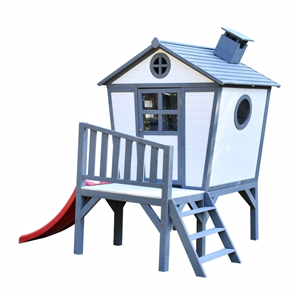
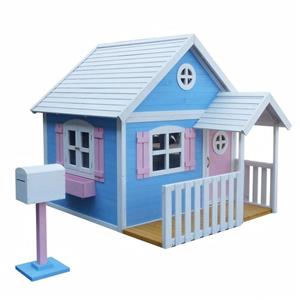
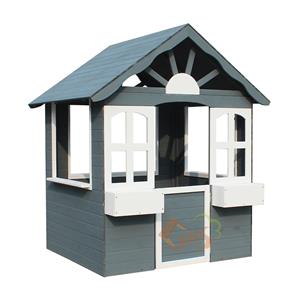
Wood offers endless personalization—whether through paint, stain, or added features like decks, flower boxes, or slides. Notably, the white cubby house trend showcases how wood can be transformed into a bright, modern playscape that complements contemporary garden design while maintaining natural warmth.Comfort & Usability
Wood provides better thermal insulation than plastic. On sunny days, a wooden cubby house stays noticeably cooler inside, unlike plastic models that can overheat. In cooler weather, wood also retains ambient warmth, extending the play season comfortably.
From a financial perspective, while plastic may have a lower upfront price, its shorter lifespan often leads to replacement costs within a few years. A wooden cubby house, though initially a greater investment, offers better value over time—often lasting 4–5 years longer—and can even retain resale value due to its durable construction.
“We’re seeing more families choose outdoor cubby structures that grow with their children,” notes Green. “A wooden cubby house can start as a fantasy fortress, evolve into a teen retreat, and later serve as a charming garden shed. That versatility and endurance simply can’t be matched by plastic.”
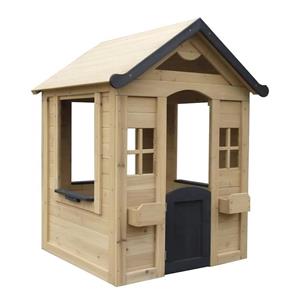
For parents weighing durability, safety, and timeless appeal, the answer is clear: investing in a wooden cubby house—whether a natural timber finish or a crisp white cubby house—ensures a cherished play space that stands the test of time and weather, becoming where childhood memories are lovingly housed.
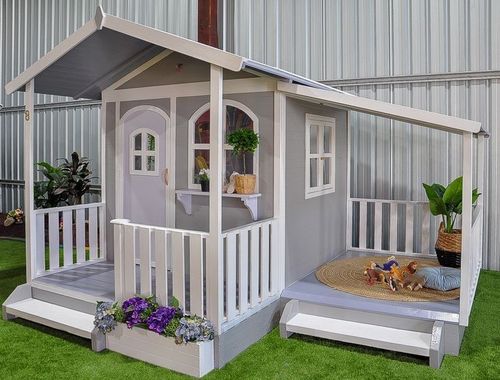
cubby house
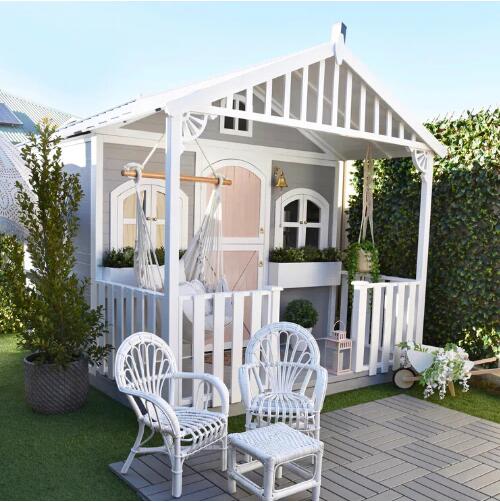
outdoor cubby
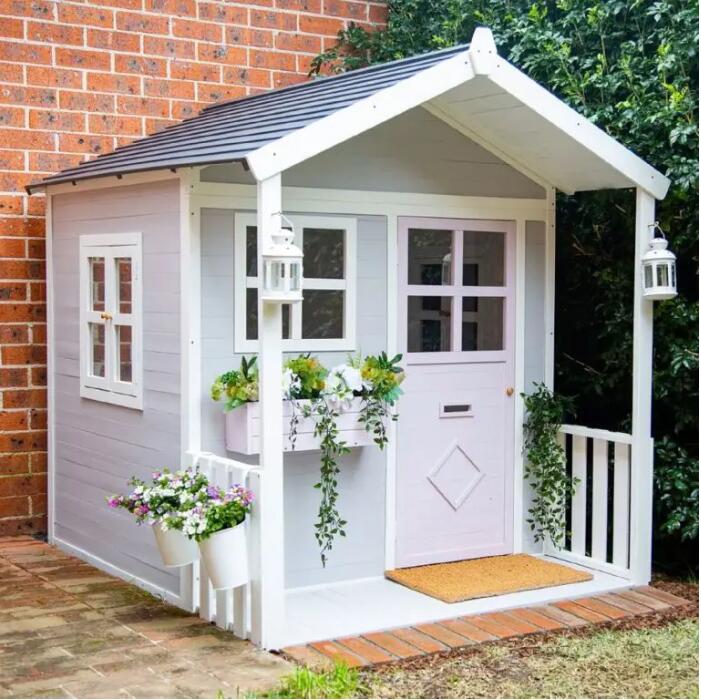
white cubby house
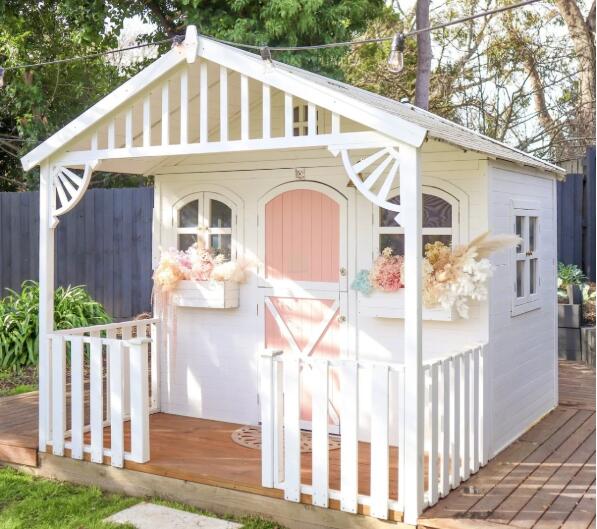
outdoor cubby house